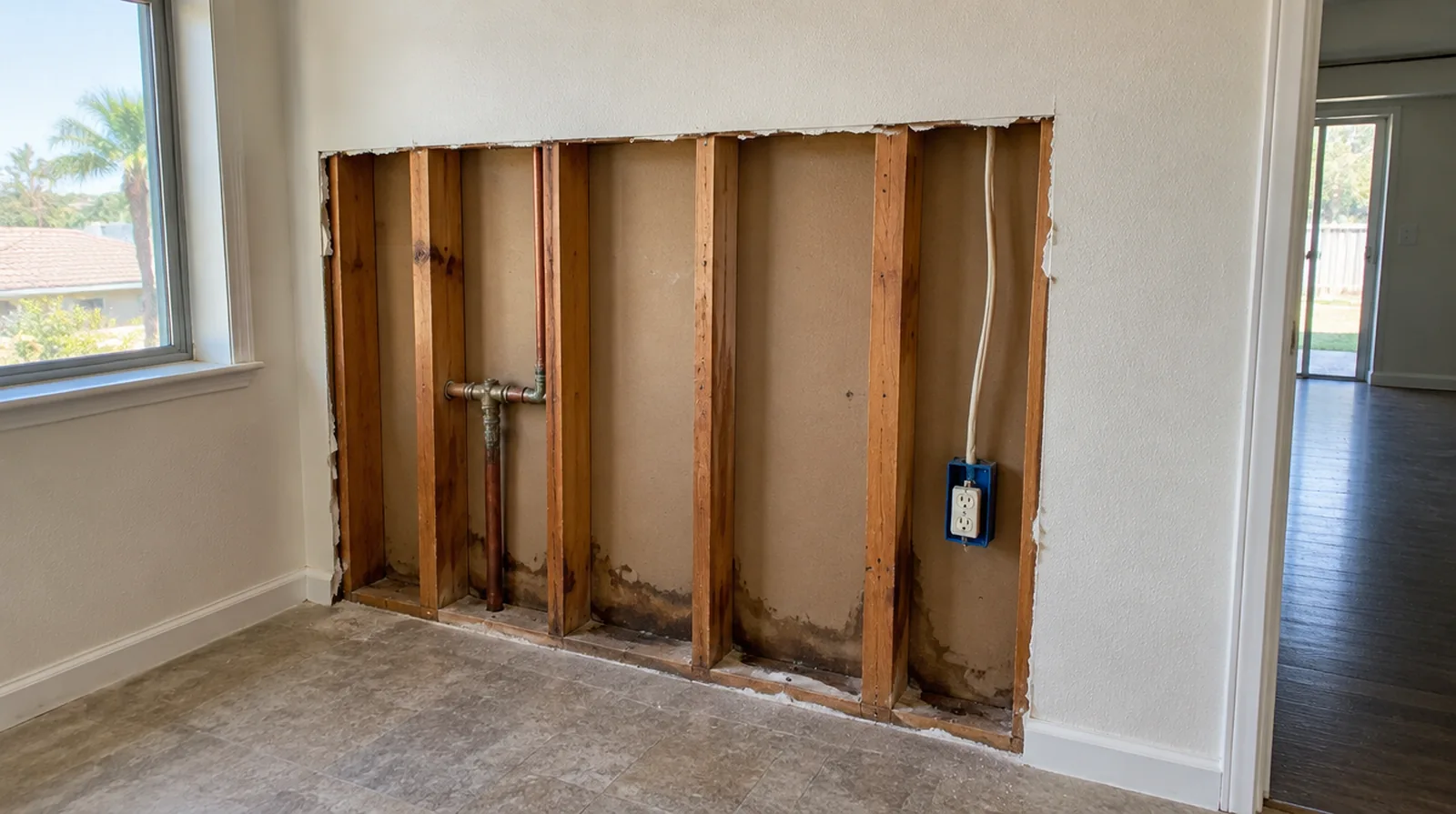
Record the completed scope
Keep notes on the source correction, removed materials and any drying verification supplied by other professionals. This record helps explain what the drywall repair covered and what maintenance remains the property owner responsibility. When building management controls access, agree delivery hours and common area protection before committing to a start or finish date.
Agree on decorative boundaries
Repairing the damaged board and restoring a uniform decorative finish are related but distinct tasks. Review a larger painting boundary if local decoration would leave a conspicuous difference around the patch. When the same defect has returned, share information about previous repair methods so the next assessment can consider why they did not last.
Define selective removal
A planned removal area opens the assembly for evaluation without automatically stripping every adjacent surface. Choose its edge to allow supported replacement and a surface transition that can be blended effectively. Where flooring is staying in place, agree on protective coverings and check that tools and material handling will not damage the noticeable finish.
Rebuild supported edges
New panel pieces need secure fastening to sound framing or appropriate backing. Stable edges reduce avoidable stress at the boundary between the retained face and the replacement. If the project is part of a larger remodel, settle the sequence with flooring, trim and cabinet work before setting a final finishing date.
Assess material condition
Look for changes in panel strength and face condition as well as the visible color of a mark. The visible mark does not always show the full extent of the affected cavity. If a household member is sensitive to dust, discuss containment and cleaning expectations before choosing how to stage the room work.
Finish after moisture control
Tape and joint compound belong on stable dry material rather than a damp or deteriorating substrate. Allow adequate time for each coat instead of sealing moisture beneath the next stage. For a project with several trades, agree which inspection or handover point must happen before the next person starts work.
Treat remaining discoloration
An old dry mark may bleed through new decoration unless an appropriate primer is selected. Choose that treatment only after confirming the discoloration does not signal continuing moisture. Where a finished perimeter is prominent, decide whether trim stays in position or is removed before agreeing how the new surface meets that edge.
Resolve the water source
A leak or condensation problem must be addressed before replacing the affected drywall. A cosmetic cover will not stop water from entering the same assembly again. When comparing competing estimates, make sure their protection, surface finish and disposal allowances describe equivalent work before comparing the final prices.
Keep contamination separate
Flood water and suspected microbial growth require evaluation beyond ordinary cosmetic patching. Obtain suitable remediation advice about safe containment and removal before arranging ordinary drywall restoration. When more damage could be hidden, ask how any added scope will be documented before extra material is removed or replaced.
Verify drying readiness
A dry looking outer face does not prove that concealed framing and insulation are ready to enclose. Make clear which professional confirms drying readiness before the cavity is covered again. If scheduling is the main concern, separate hands on labor from drying intervals instead of treating every visit as a full day of active work.
Project context in Ontario
A written boundary for primer and paint makes it easier to compare a drywall proposal with the complete decorative result you have in mind. Material delivery also needs a route with enough turning space for the selected sheet size.
Scope questions before finishing
If occupancy must resume on a certain day, include the later primer and paint stages in the timetable as well as drywall installation and finishing.
If the ceiling or wall includes fittings, identify the person responsible for removing and reinstalling each item before the work begins.
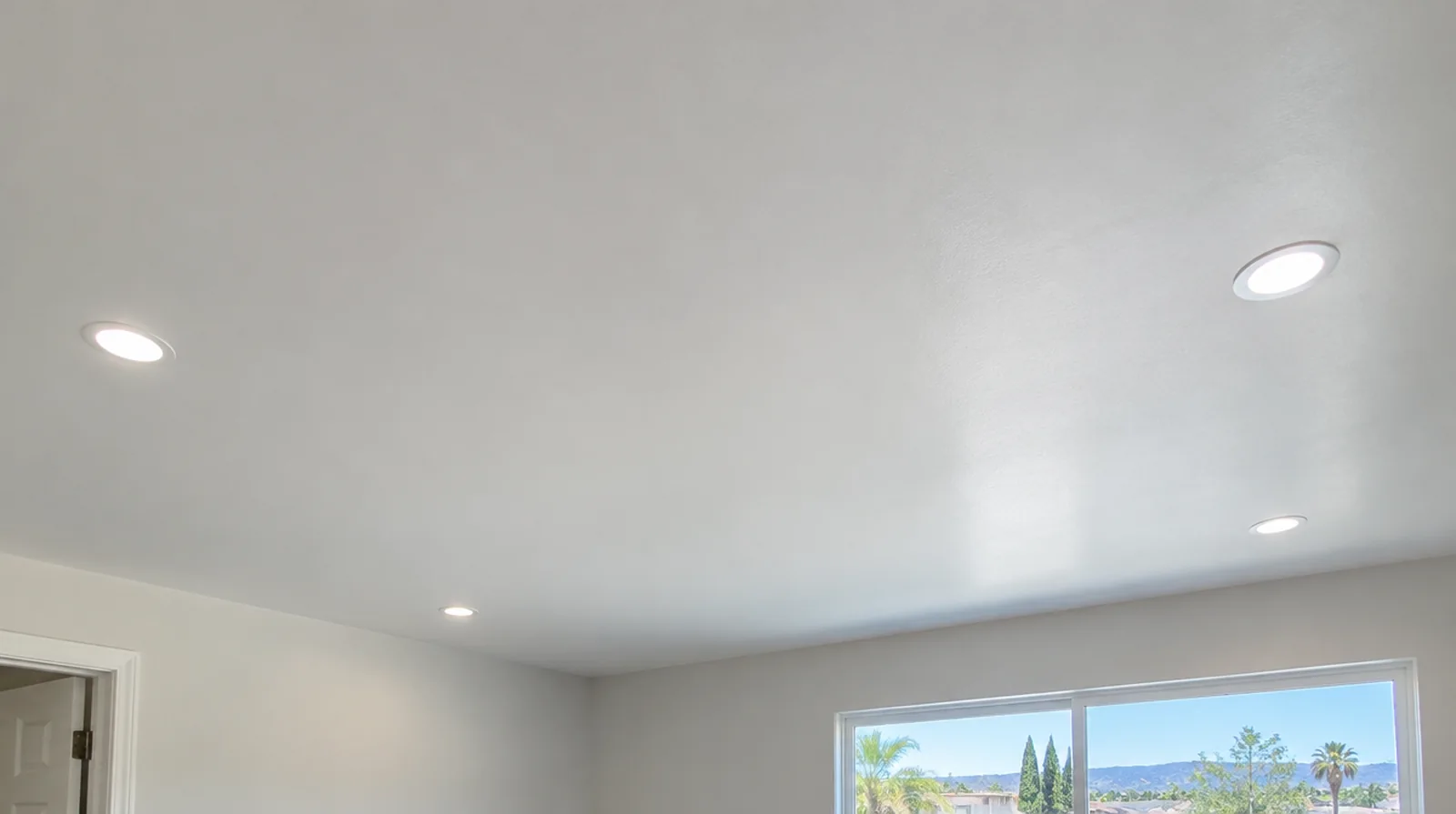
When the wall has strong reflected light, look at the full plane instead of judging only the narrow strip immediately beside the patch.
For a limited patch requiring substantial setup, assess the complete package of access and protection instead of relating cost only to the opening size.
Where light reflects along the wall surface, inspect the complete plane instead of limiting the review to the edge immediately next to the repaired section.
For a planned new wall mounted fixture, resolve its backing requirements while the cavity remains open instead of cutting into completed drywall later.
At the handover inspection, review the finish from ordinary room positions using the lighting conditions that were agreed for the work.
Where several contractors share the renovation, identify the inspection and handover milestones that determine when each following stage can proceed.
Where occupants have dust sensitivity concerns, agree containment and cleaning measures before settling the way the space will be staged.
When a quote includes multiple visits, ask what happens during each stage and when the interior needs to remain undisturbed between coats.
If the surface condition is uncertain, allow for an assessment that can distinguish stable material from layers that should never be covered.
When photographs are used for an initial discussion, include a wide room view as well as a close view so scale and surrounding finishes are understandable.
Explore the Ontario drywall overview for related options, or read the project planning information before arranging the next stage.
More planning details for Ontario
Ontario property improvements often involve a simple practical question: what will this wall look like when the room is back in daily use? If afternoon light crosses the surface, judge the proposed finish under that condition rather than only under overhead work lighting. Describe any wall mounted items that will be removed or added, because backing and outlet adjustments are easier to coordinate before finishing.